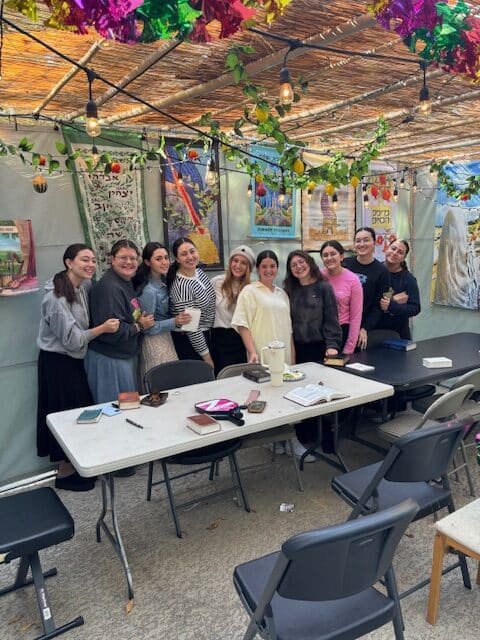


As we transitioned from Yom Kippur into the joyful celebration of Sukkos, we had a unique opportunity to carry forward the spirit of unity, or achdus, that we experienced during the High Holidays. This year, around the world, there was an emphasis on strengthening unity among individuals and communities, embodying both elements of sur merah (avoiding harm) and aseh tov (doing good) in our everyday lives.
Sur Merah – Guarding Our Speech in the Sukkah
Mrs. Abrams shared that our Sages teach that the word “sukkah” itself invites us to examine how we use our words. The pronunciation of “sukkah” engages four out of the five parts of our mouth—our lips, teeth, throat, and palate—but excludes the tongue. The tongue is often associated with “lashon,” or speech. By omitting the tongue, the word “sukkah” subtly reminds us to guard our speech, especially against lashon harah (negative speech), and to refrain from gossip, criticism, and divisiveness within our temporary dwelling.
The lesson is to keep lashon harah out of our Sukkah, creating a pure and elevated atmosphere. We create an environment where unity can thrive by speaking only words of kindness and encouragement within our Sukkah. This mindfulness with our words, symbolized by the missing “lashon” sound in “succah,” becomes our sur merah as we focus on holding back from anything that could disrupt peace.
By omitting the tongue, the word “sukkah” subtly reminds us to guard our speech, especially against lashon harah (negative speech), and to refrain from gossip, criticism, and divisiveness within our temporary dwelling.
Aseh Tov – Embracing Others in Our Lives
On a more physical level, the design of a kosher succah teaches us about the positivity of aseh tov. According to halachah, a sukkah is considered kosher with as little as two and a half walls—just enough to enclose a space in a way that resembles a partial embrace. This open configuration mirrors the form of a hug, a posture of inclusion and warmth.
This idea encourages us to open our Sukkah, our homes, and our hearts to others. Embracing others, both figuratively and literally, brings a sense of connection and belonging. Inviting someone into our Sukkah or reaching out with an open heart creates bonds of friendship and community, allowing each person to feel valued and embraced.
Through these practices—keeping harmful speech out and bringing people close through acts of kindness and welcome—we cultivate a lasting sense of unity. This unity, or achdus, is the essence of our joy on Sukkos, reflecting a community bound together in love and positivity.
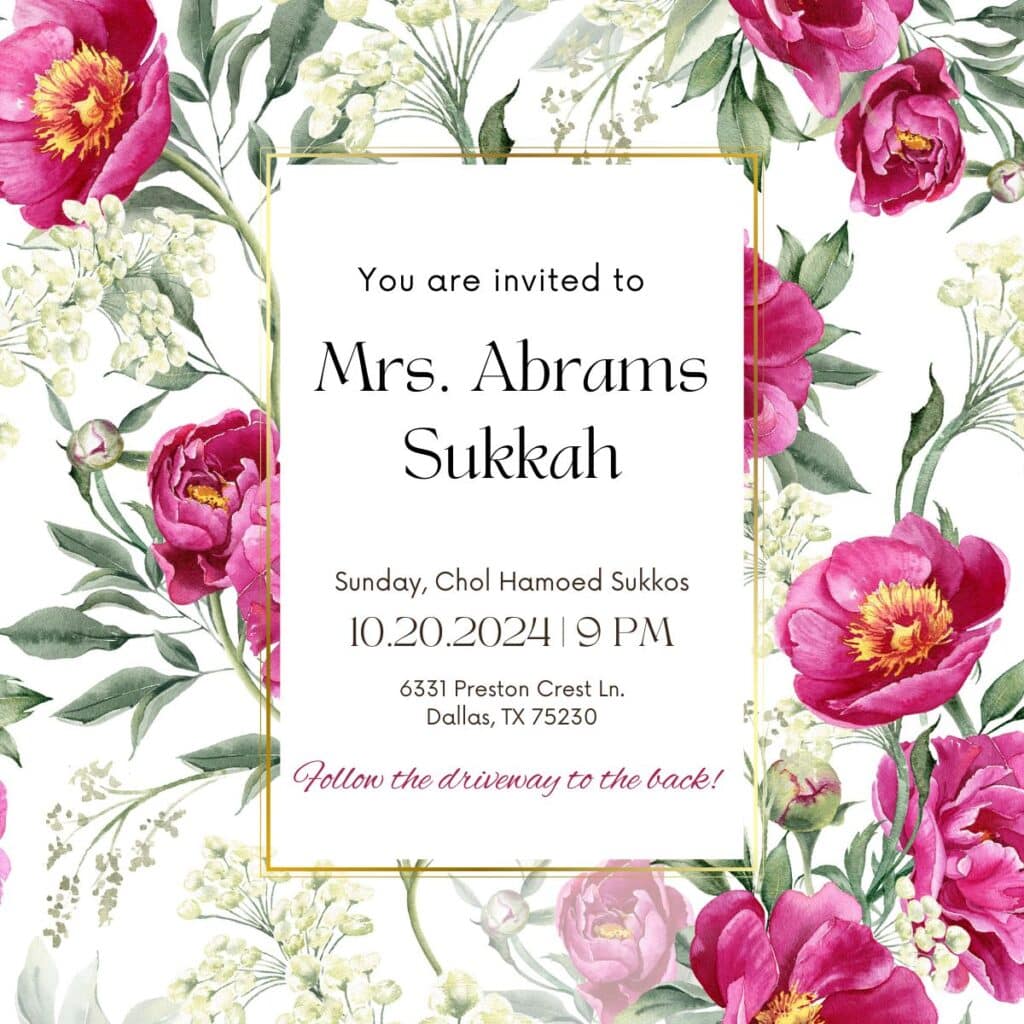
The Joy of Sukkos – Bingo!
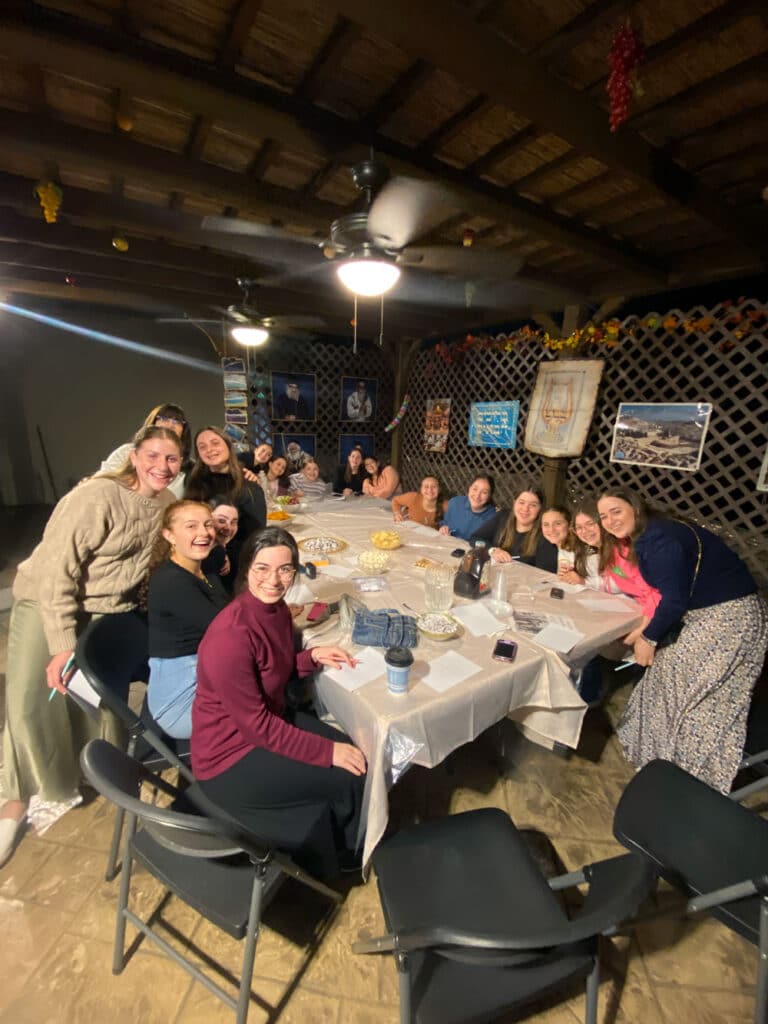
To add lightheartedness to the gathering, we enjoyed a round of Sukkos-themed bingo, led by Mrs. Abrams. Each person received a bingo card with various Sukkos-related questions and scenarios, like “Is your sukkah made from lattice?” or “Did you wear a coat or jacket in the sukkah the first night?”
Mrs. Abrams read a question aloud, and if our answer matched the designated “yes” or “no” in the box, we crossed it off. Laughter filled the room as everyone shared stories, memories, and Sukkos experiences. This simple game not only added joy to our event but also allowed us to bond with each other over shared experiences, reminding us that achdus can grow in many ways—through games, stories, and connections.
Closing Thoughts
This past Sukkos, as we sat in our sukkah, we carried forward the messages of sur merah and aseh tov. With mindful speech and open hearts, we can create a space that mirrors the unity Hashem desires for His people. May we merit through our Sukkos experience to be filled with joy, peace, and the warmth of achdus, and may we carry these values into the year ahead. ■