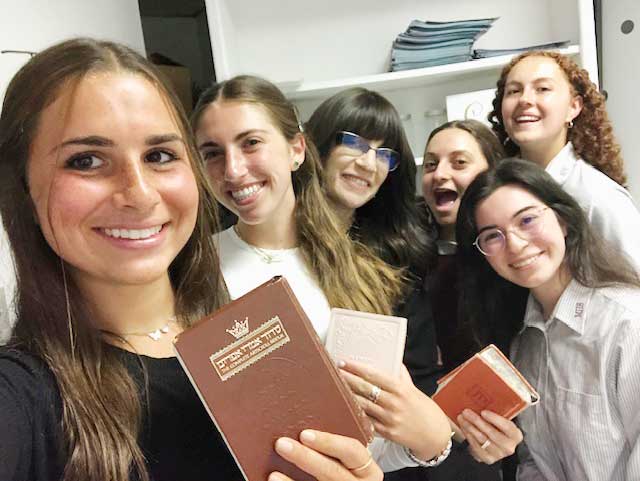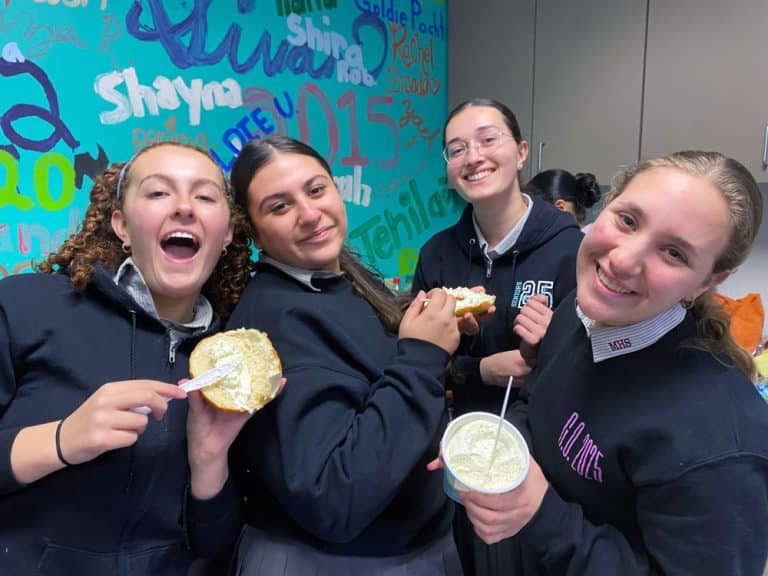


As the days grow shorter and the air carries a hint of autumn, the Jewish calendar ushers in a period of introspection and spiritual growth. Rabbi Tzvi Rosenshein, the esteemed DATA Rosh Kollel, recently addressed the students of Mesorah High School for Girls, shedding light on the significance of the period from the beginning of Elul through Hoshana Rabba. His words resonated deeply, emphasizing themes of gratitude, self-improvement, and recognizing the abundant goodness bestowed upon us by Hashem.
Gratitude to Hashem
Rabbi Rosenshein began by emphasizing the importance of gratitude. In our fast-paced lives, it’s easy to overlook the countless blessings we receive daily. From the air we breathe to the food on our tables, every moment is an opportunity to express appreciation to Hashem. Gratitude isn’t merely a polite gesture; it’s a fundamental aspect of our relationship with the Divine.
Davening with Intention
The Rabbi encouraged the girls to approach their tefillah with greater intention. Davening isn’t a mechanical recitation of words; it’s a conversation with Hashem. When we pour our hearts into our prayers, we connect more deeply. Rabbi Rosenshein reminded us that sincere prayer leads to personal growth. As we strive to daven better, we simultaneously become better individuals.
The lesson is clear: Be appreciative, not ungrateful. Just as the farmer brings the choicest fruits, we should express our gratitude through our best actions and words.
The Lesson of Bikkurim
Drawing from this week’s parsha, Rabbi Rosenshein highlighted the mitzvah of Bikkurim—the first fruits brought to the Temple. These offerings symbolize gratitude and acknowledgment. When we present our first and finest to Hashem, we recognize that all blessings flow from Him. The lesson is clear: Be appreciative, not ungrateful. Just as the farmer brings the choicest fruits, we should express our gratitude through our best actions and words.

Acknowledging Kindness
Rabbi Rosenshein challenged the girls to admit when someone does something good for them. Often, we downplay acts of kindness or take them for granted. Sometimes it is too difficult to accept that we needed another’s help. By acknowledging and appreciating these gestures, we open our hearts to recognize the ultimate Benefactor—the One who orchestrates every detail of our lives.
The Modim Blessing
The Modim blessing provides a unique opportunity to express gratitude during the Amidah. Rabbi Rosenshein emphasized that we should personalize this moment. Rather than reciting it robotically, pause and reflect. What specific blessings have we received today? Health, family, sustenance, friendship—each deserves recognition. As we say Modim, let our hearts overflow with thankfulness.
Conclusion
Rabbi Tzvi Rosenshein’s words remind us that gratitude isn’t a passive state; it’s an active practice. By cultivating gratitude, davening with intention, and acknowledging kindness, we become vessels for Hashem’s blessings. As the days of judgment unfold, let us embrace the opportunity to transform into thankful people, recognizing the abundant goodness surrounding us. During the Yomim Noraim season, Hashem is especially close to us. He wants us to connect with Him; in return, He will embrace us.
May we all find inspiration in Rabbi Rosenshein’s teachings and carry them forward daily. ■