

In a recent 9th-grade Biology class, students experimented to isolate and observe DNA from strawberries. This hands-on activity introduced the principles of DNA extraction and the molecular structures fundamental to all living organisms.
Experiment Description
Objective: To extract and isolate DNA from strawberries, making it visible to the naked eye.
Materials:
- Fresh strawberries
- Ziploc bags
- DNA extraction buffer (a solution of dish soap, salt, and water)
- Coffee filters
- Plastic cups
- Rubbing alcohol (chilled)
- Wooden stirrers
Procedure:
- Each student placed one or two strawberries into a Ziploc bag and gently mashed them to break down the cells.
- They added the DNA extraction buffer to the mashed strawberries, which helped dissolve cell membranes and release the DNA into the solution.
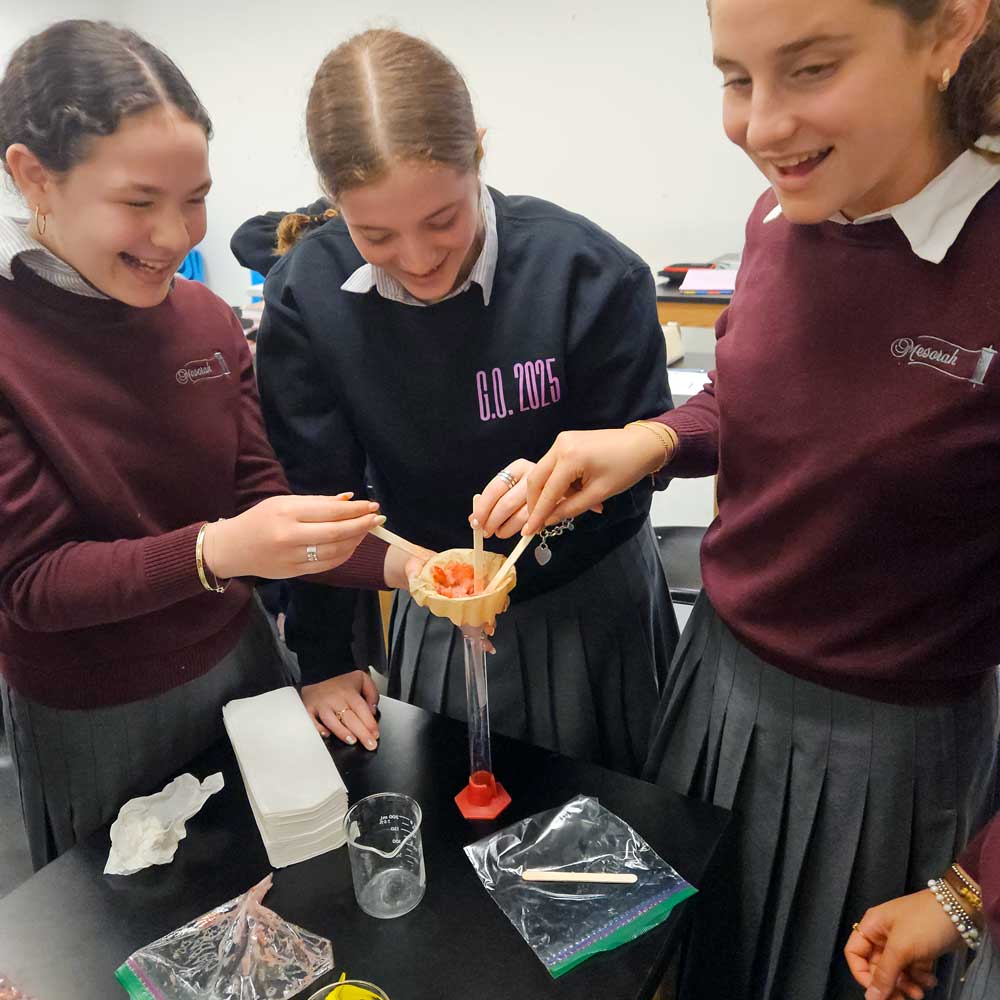
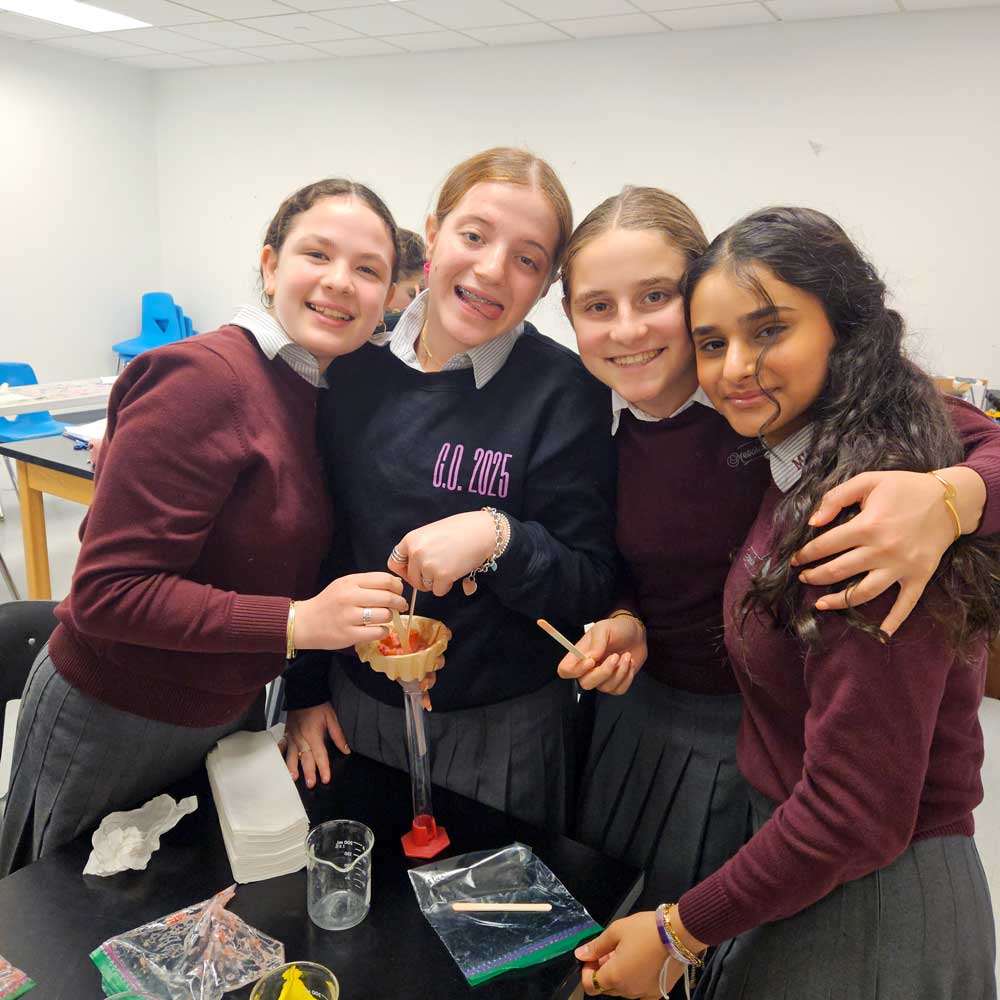
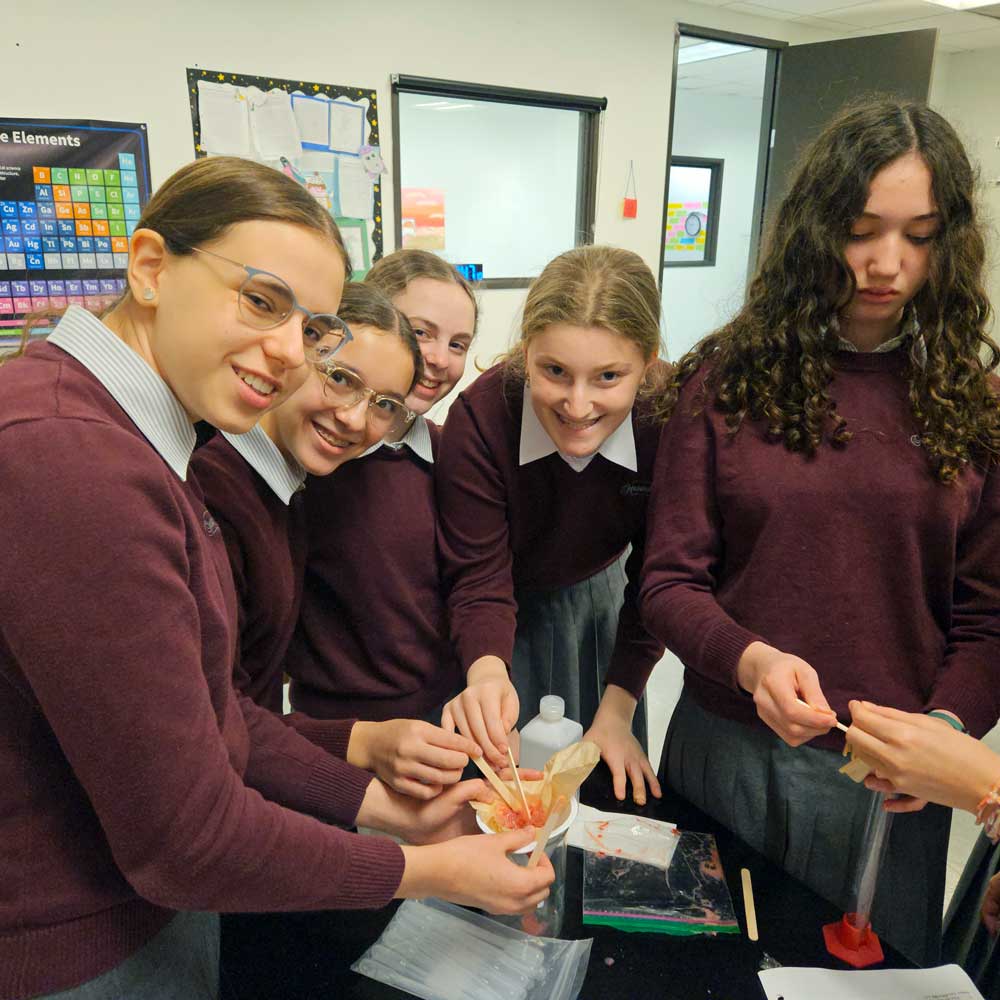
- The mixture was filtered through a coffee filter placed over a cup, separating the solid debris from the liquid containing the DNA.
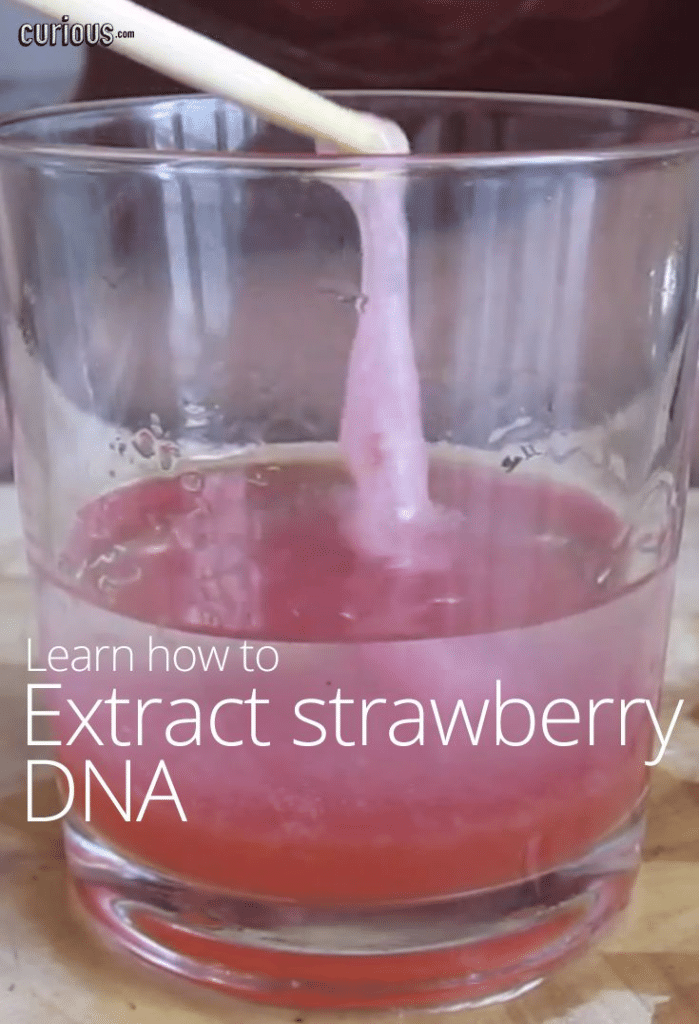
- Chilled rubbing alcohol was carefully added to the filtrate, creating a distinct layer. DNA precipitated from the solution, appearing as a stringy, white, or clear substance at the alcohol interface.
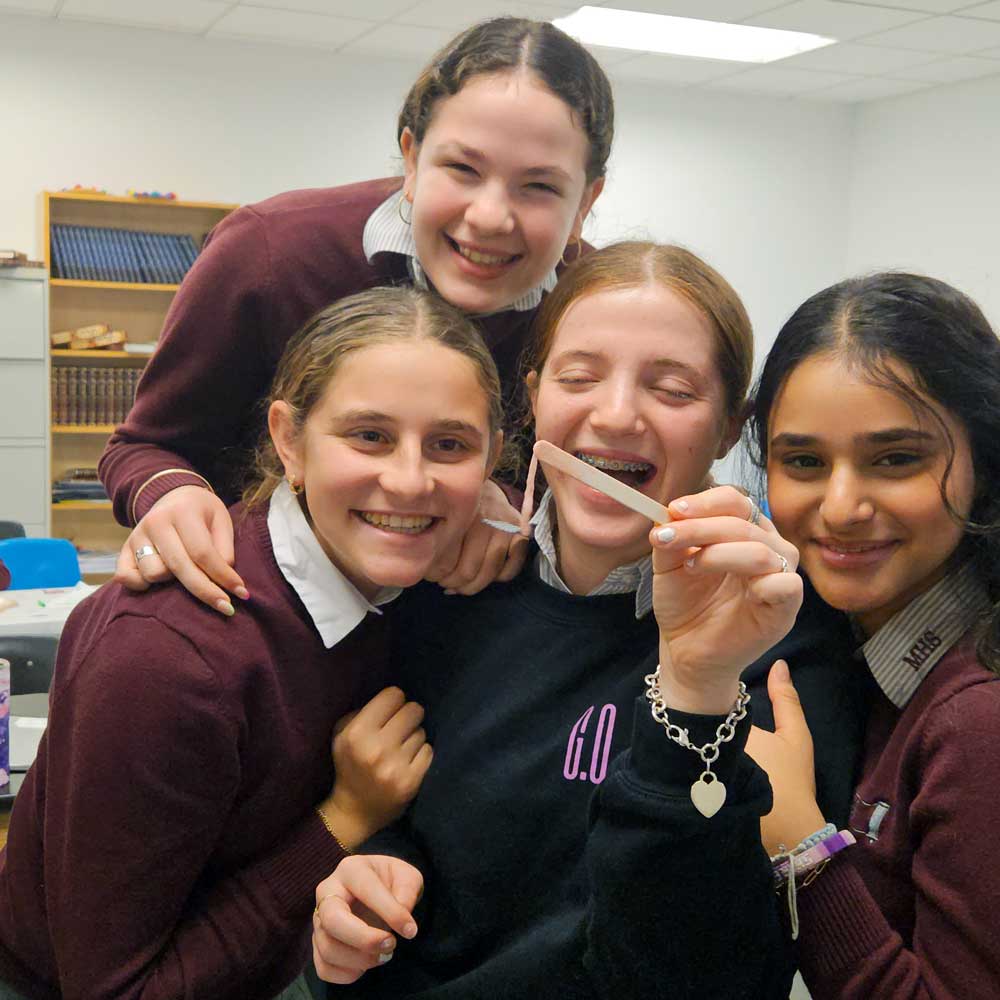
- Students used wooden stirrers to spool the DNA, making it more visible.
Hypothesis
“If the cell membranes and nuclear envelopes of strawberry cells are broken down through mechanical mashing and chemical reactions with a detergent solution, then the DNA can be successfully isolated and observed as clusters.”
Results
The experiment was successful in demonstrating DNA extraction. Students observed the formation of whitish, stringy clusters of DNA at the interface of the alcohol and strawberry solution layers. This confirmed their hypothesis, showcasing the fundamental properties of DNA as it precipitated in the alcohol layer. The success of this experiment highlighted how basic lab techniques could unveil molecular biology’s core concepts, including the ubiquity and extractability of DNA. ■
Mrs. Dalia Yurowitz is the 9th-grade biology teacher at Mesorah High School for Girls.